
Ghana's Stand Against Autonomous Weapons: A Call for Human Dignity - INTERNATIONAL HUMANITARIAN RELIEF & RESCUE INITIATIVE
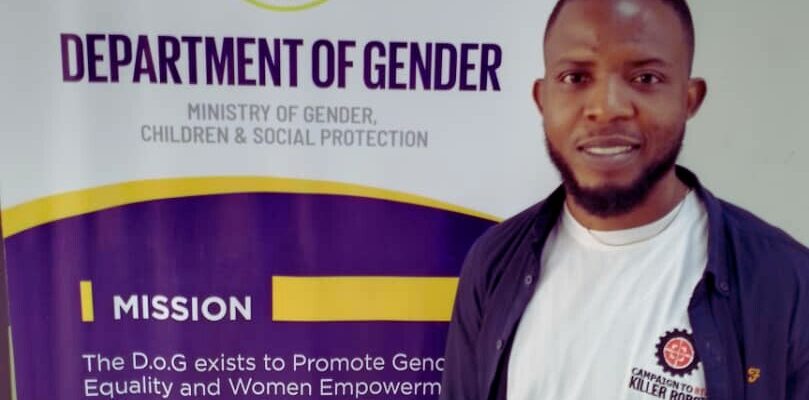
Imagine a world where machines decide who lives and who dies. This isn’t a scene from a dystopian movie but a potential reality with the rise of autonomous weapons. The International Humanitarian Relief and Rescue Initiative (IHRRI) recently engaged with Ghana’s Ministry of Gender and Social Protection to address this pressing issue. In a pivotal meeting, IHRRI emphasized the urgent need to ban autonomous weapon systems that target human beings. The significance of this advocacy, the potential risks of autonomous weapons, and why Ghana’s endorsement of an international treaty is crucial.
Understanding Autonomous Weapons
Autonomous weapons, often referred to as “killer robots,” are systems that can select and engage targets without human intervention. These weapons raise significant ethical, legal, and security concerns.
The Ethical Dilemma
- Human Judgment vs. Machine Logic: Unlike humans, machines lack the ability to understand context, emotions, and moral values. This absence of human judgment can lead to catastrophic decisions.
- Accountability Issues: If an autonomous weapon makes a mistake, who is held accountable? The manufacturer, the programmer, or the military personnel? This ambiguity poses a significant challenge.
Legal and Security Concerns
- Violation of International Law: Autonomous weapons could potentially violate international humanitarian law, which requires distinction and proportionality in warfare.
- Global Arms Race: The development of such weapons could trigger a new arms race, destabilizing global security.
IHRRI’s Advocacy: A Step Towards Global Safety
The IHRRI’s engagement with Ghana’s Ministry of Gender and Social Protection is a crucial step in the global movement to ban autonomous weapons.
The Meeting’s Highlights
- Emphasizing Human Dignity: IHRRI stressed the importance of preserving human dignity and safety by preventing machines from making life-and-death decisions.
- Call for Action: The organization urged Ghana to endorse an international treaty banning autonomous weapons, aligning with global efforts to #BanKillerRobots.
“The future of warfare should not be left in the hands of machines. We must act now to protect human rights and dignity.” – IHRRI Representative
Why Ghana’s Role is Pivotal
Ghana, as a leader in African diplomacy and peacekeeping, holds a significant position in advocating for global disarmament and human rights.
Ghana’s Influence in Africa
- Diplomatic Leadership: Ghana has a history of leading peacekeeping missions and advocating for human rights in Africa.
- Moral Responsibility: By endorsing the treaty, Ghana can set a precedent for other African nations to follow suit.
Potential Impact
- Strengthening International Norms: Ghana’s support could bolster international efforts to establish norms against autonomous weapons.
- Promoting Regional Stability: By taking a stand, Ghana can contribute to regional stability and security.
Conclusion
The threat of autonomous weapons is not just a futuristic concern but a present-day challenge that requires immediate action. The IHRRI’s engagement with Ghana’s Ministry of Gender and Social Protection highlights the urgent need to address this issue. By advocating for a ban on autonomous weapons, Ghana can play a pivotal role in protecting human dignity and ensuring global security. As we move forward, it is crucial for nations to unite in this cause and #ProtectHumanRights.
In the words of the IHRRI, “The future of warfare should not be left in the hands of machines.” Let us heed this call and work towards a safer, more humane world.
Leave A Comment